Source Quick Dry Lightweight Trucker Cap for Outdoor, Work, and Retail
Explore 30 options for the quick dry lightweight trucker cap, featuring 100% cotton and mesh designs. Compare specifications from manufacturers in China, including customization, lead times, and pricing details for bulk orders; compare the available evidence and request quotations based on your requirements.
Key considerations
Products List


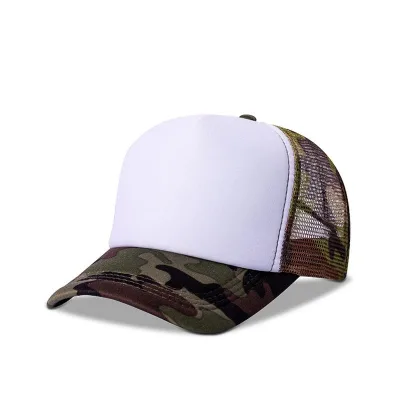
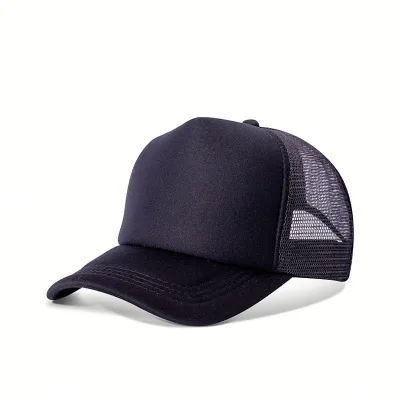
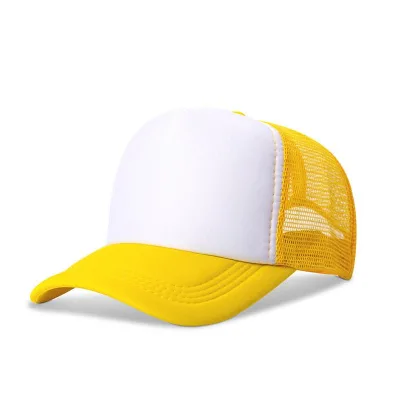


Comprehensive Sourcing Guide
Quick Dry Lightweight Trucker Cap Sourcing Guide
Sourcing quick dry lightweight trucker caps requires balancing aesthetic appeal with functional performance, particularly for summer or outdoor retail applications. Buyers must distinguish between standard cotton constructions and those engineered for moisture management, as material composition directly impacts durability and wearer comfort. The observed market signals indicate a strong preference for unisex designs that accommodate diverse head sizes, often featuring adjustable closures to ensure a secure fit during active use.
Procurement teams should prioritize suppliers who offer customization options for branding, as this is a key differentiator in the competitive accessory market. The availability of printed patterns and striped styles suggests that visual identity is as critical as technical specifications. Understanding the balance between aesthetic customization and functional requirements like UV resistance or windproofing helps buyers select products that meet specific seasonal demands without compromising on quality or structural integrity.
Product Scope and Observed Listing Signals
The current market landscape for trucker caps reveals a diverse range of styles, from classic baseball cap silhouettes to specialized mesh-back designs. Listings frequently highlight features such as six-panel construction, adjustable plastic buckles, and breathable mesh panels, which are essential for maintaining airflow and reducing heat buildup. Buyers should note that while many products are marketed as "quick dry," the actual fabric composition varies, with some items being 100% cotton and others incorporating synthetic blends for enhanced moisture-wicking properties.
Observed price points and minimum order quantities (MOQs) vary significantly, reflecting differences in material quality and customization complexity. Standard items may have lower MOQs, while fully customized designs with specific embroidery or printing requirements often require higher volume commitments. The presence of both "with brim" and "with crown" variations indicates that structural elements can be tailored to specific brand guidelines, allowing for unique product differentiation in crowded retail environments.
Technical Specifications to Verify
Verifying technical specifications is crucial to ensuring the cap meets functional expectations, particularly regarding size and fit. Standard sizes often range from 56-60cm, but customized options are widely available to accommodate specific demographic needs. Buyers must confirm the exact panel count and closure type, as these elements influence both the aesthetic and the adjustability of the final product. Additionally, the fabric type, whether cotton or a blend, should be explicitly stated to avoid misunderstandings regarding breathability and care requirements.
Performance attributes such as UV resistance, antimicrobial treatment, and quick-dry capabilities require clear documentation from the supplier. While some listings claim these features, buyers should request material data sheets or test reports to validate these claims. The presence of special features like ponytail holes or windproofing adds value for specific user groups, but these must be integrated without compromising the structural integrity of the cap. Clear communication on these details prevents costly returns and ensures customer satisfaction.
Compliance and Safety Documentation
Compliance with international standards is a critical aspect of sourcing, particularly for products intended for global distribution. Certifications such as SGS, ISO, and Fairwear indicate that the supplier adheres to rigorous quality and ethical manufacturing practices. Buyers should verify the current status of these certifications and ensure they cover the specific product lines being ordered. This due diligence helps mitigate risks associated with regulatory non-compliance and supports corporate social responsibility goals.
Safety documentation should also include information on material safety, particularly regarding dyes and finishes used in the printing process. For caps marketed as UV resistant or antimicrobial, buyers should request evidence of these claims, such as test results from accredited laboratories. Ensuring that all safety and compliance documents are up-to-date and readily available facilitates smoother customs clearance and reduces the likelihood of shipment delays or rejections at the destination port.
Cost Drivers and Commercial Terms
Several factors influence the final cost of trucker caps, including material selection, customization complexity, and order volume. The use of 100% cotton versus synthetic blends, along with the type of embroidery or printing technology employed, directly impacts production costs. Buyers should negotiate based on clear specifications to avoid hidden fees, and consider the trade-off between lower unit prices and higher MOQs. Understanding these cost drivers allows for more accurate budgeting and pricing strategies for retail.
Commercial terms such as payment methods, lead times, and shipping options also play a significant role in the total cost of ownership. Common payment terms include PayPal or T/T, while sample lead times typically range from 3 to 10 days depending on the complexity of the design. Production lead times can extend to 15-20 days, and shipping options vary from courier services to sea or air freight. Aligning these terms with project timelines ensures timely delivery and minimizes storage costs.
Supplier Qualification and Quality Control
Qualifying suppliers involves assessing their manufacturing capabilities, quality control processes, and track record. Buyers should verify the supplier's business type, ensuring they are a manufacturer rather than a trading company, to gain better control over production and pricing. Requesting samples is a critical step in evaluating product quality, allowing buyers to inspect stitching, material feel, and overall construction. This hands-on assessment helps identify potential issues before committing to large orders.
Quality control measures should be clearly defined in the purchase agreement, including inspection protocols and acceptance criteria. Buyers should inquire about the supplier's internal QC processes and whether third-party inspections are available. Establishing clear communication channels for addressing defects or discrepancies ensures that issues are resolved promptly. A robust quality control framework protects the buyer's brand reputation and reduces the risk of receiving substandard products.
Long-Term Procurement Checks
Long-term procurement success depends on establishing strong relationships with reliable suppliers and continuously monitoring performance. Regular audits and feedback loops help maintain quality standards and identify areas for improvement. Buyers should track supplier responsiveness, on-time delivery rates, and product consistency over multiple orders. This data-driven approach enables informed decision-making and supports strategic sourcing initiatives.
Adapting to market trends and consumer preferences is essential for maintaining competitiveness. Buyers should stay informed about emerging materials, design innovations, and sustainability practices in the cap industry. Collaborating with suppliers on new product development can lead to unique offerings that differentiate the brand in the market. Continuous evaluation and adaptation ensure that the procurement strategy remains aligned with business goals and customer expectations.
FAQs
Can I get a quick dry lightweight trucker cap with custom branding?
Yes, customization is available for this product line. Buyers can request customized logos and specific design elements to match their brand identity. The manufacturer supports various customization options to ensure the final product aligns with your specific marketing needs and aesthetic preferences.
What is the sample lead time for these caps?
The sample lead time typically ranges from 3 to 10 days depending on the specific model requested. Some models require 3-5 days, while others may take 7-10 days. This allows for quick prototyping and approval before moving to bulk production stages.
What certifications do these caps hold?
These caps hold SGS, ISO, and Fairwear certifications. These credentials verify compliance with international quality and ethical manufacturing standards. Buyers can rely on these documented certifications to ensure the products meet specific regulatory and social responsibility requirements for their target markets.
What is the minimum order quantity for bulk orders?
The minimum order quantity varies, with observed ranges from 25 to 3000 pieces. Specific models may have an MOQ of 100 pieces. Buyers should confirm the exact MOQ for their chosen model to ensure it aligns with their inventory planning and budget constraints.
How are these caps packaged for shipping?
Packaging options include standard polybag and carton configurations or customized packaging. Typical packing might be 25 pieces per polybag and 100 pieces per carton. Customized packaging is also available to meet specific retail or logistical requirements for different distribution channels.
What materials are used in these caps?
The caps are made from 100% cotton fabric. This material choice ensures breathability and comfort, which is essential for summer wear. The cotton construction supports the quick-dry and moisture-wicking features, making them suitable for active use in warm weather conditions.